
Most Recent
Hong Kong's first five-year plan: Key economic and trade priorities
The Hong Kong Special Administrative Region has unveiled its first five-year plan for economic and social development (2026-2030) on Wednesday.
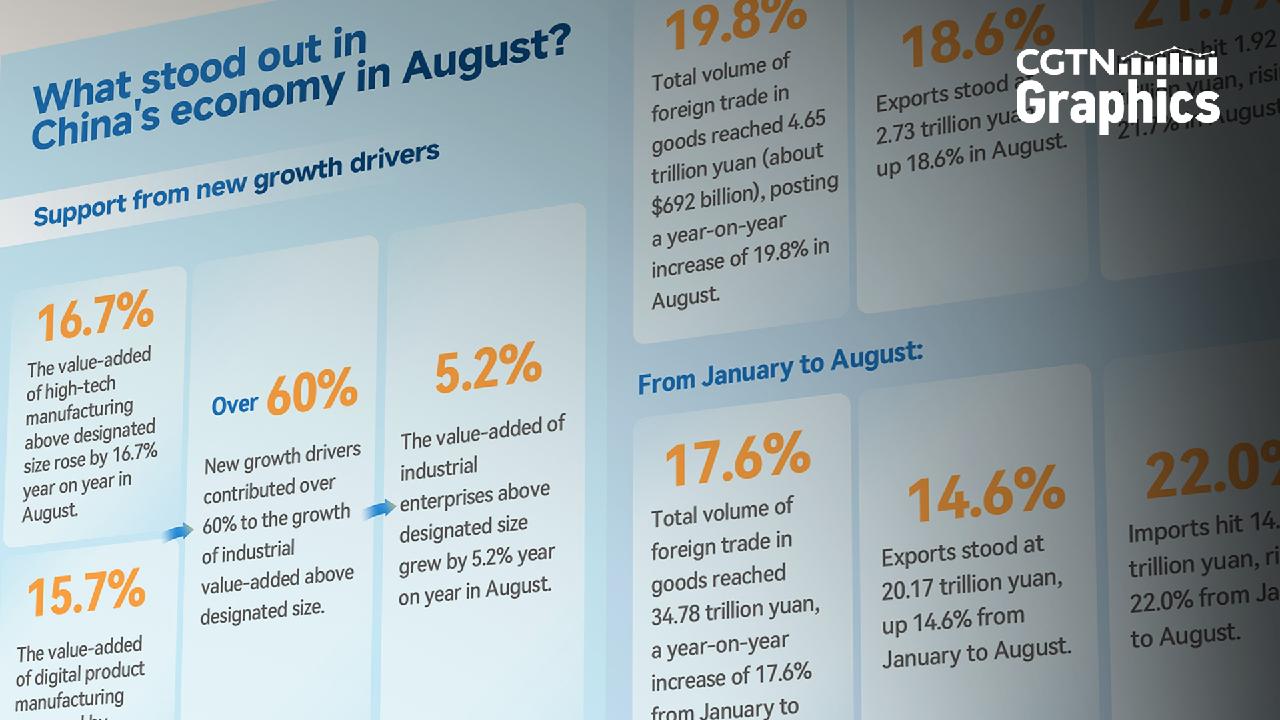
Graphics: What stood out in China's economy in August?
Graphics: What stood out in China's economy in August?
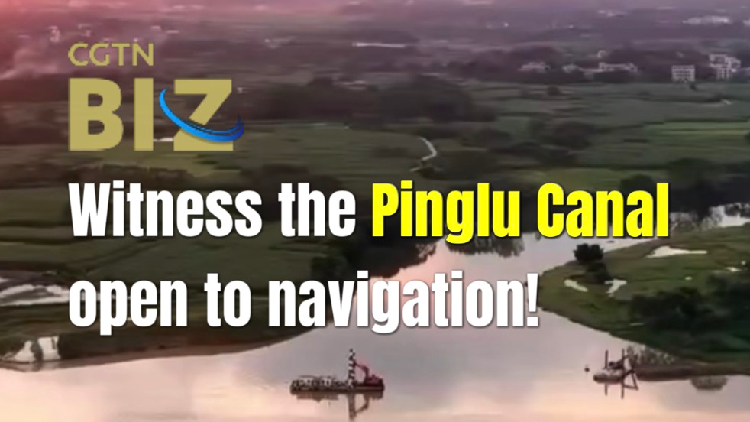
Witness the Pinglu Canal open to navigation!
The Pinglu Canal opens a faster gateway to the sea for China's Guangxi Zhuang Autonomous Region and southwest China's cargo.
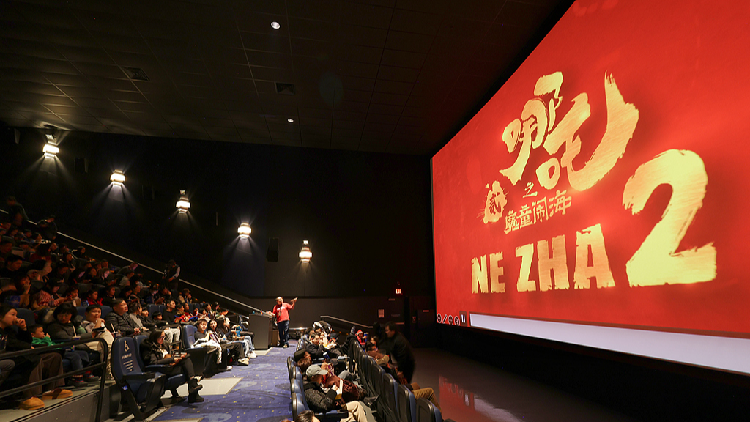
Chinese films seek a bigger stage in North America
Chinese films are gaining momentum in overseas markets, with North America emerging as an important testing ground for their global appeal.
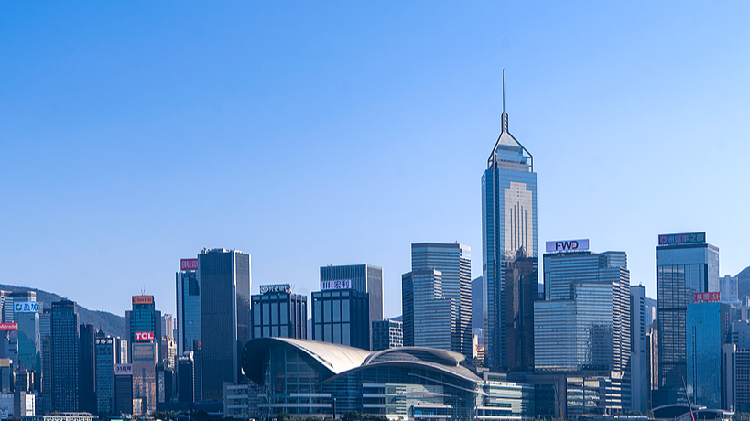
Hong Kong's first five-year plan signals a new path for future growth
The release of Hong Kong's first five-year plan marks an important milestone in the city's development. By building on its existing strengths and creating new opportunities through planning and innovation, the city can strengthen its competitiveness in a changing global environment.
HK ranked 3rd in global financial centre survey
Hong Kong has retained its position as the world's number three financial hub, closely trailing London and New York, according to the latest edition of the Global Financial Centres Index (GFCI). The twice-yearly report — which assesses 117 financial centres across the world — showed that the city scored 756 points on the index, just one point behind London's 757, and five points lower than New York's 761. Complied by Z/Yen Group and the China Development Institution, the index also showed that the SAR continued to be the top financial centre in Asia for the fourth year in a row. A government spokesperson noted that the report reaffirmed the city's leading position and strengths as a global financial centre, with high rankings in five major areas. "Among them, Hong Kong's ranking in 'financial sector development' rose to first place worldwide," the spokesperson said. "While remaining second in rank for the area of 'human capital', Hong Kong's ranking in 'business environment' and 'infrastructure' also rose to second place. "In addition, Hong Kong's ranking in the 'investment management' sector rose to first place worldwide." The city also continued to top the global ranking in terms of "fintech offerings" and "insurance", the statement read. The report came as Chief Executive John Lee unveiled the city's first-ever five-year plan, outlining major objectives including seeking new economic drivers and boosting the city's international competitiveness. Alongside the long-term blueprint, Lee also unveiled his annual Policy Address to set out specific measures to support the realisation of the blueprint. "On finance, we will adhere to the principle of seeking growth through stability and in turn reinforcing stability through growth to expand our existing financial advantages, including financing, risk management, asset management, etc," the spokesperson said. "Meanwhile, we will also take forward 'Finance+' to amplify the advantages and radiating capability of finance, thereby empowering the development of various sectors, serving the real economy, benefiting society and the public, and further consolidating Hong Kong's status as an international financial centre." Now in its 40th edition, the GFCI report has been released every March and September since 2007. It assesses five main categories: business environment, human capital, infrastructure, financial sector development and reputation. There are also separate reports on areas such as fintech. Edited by Tony Sabine

Nanning and Guilin take center stage at the 23rd China-ASEAN Expo
The 23rd China-ASEAN Expo is set to open in Nanning, south China's Guangxi Zhuang Autonomous Region.

OpenAI boss says world 'right to be afraid' but should trust AI firms
Sam Altman and other tech CEOs say there are incentives to limit advancements in AI, as fears grow over the threats it poses to humanity.
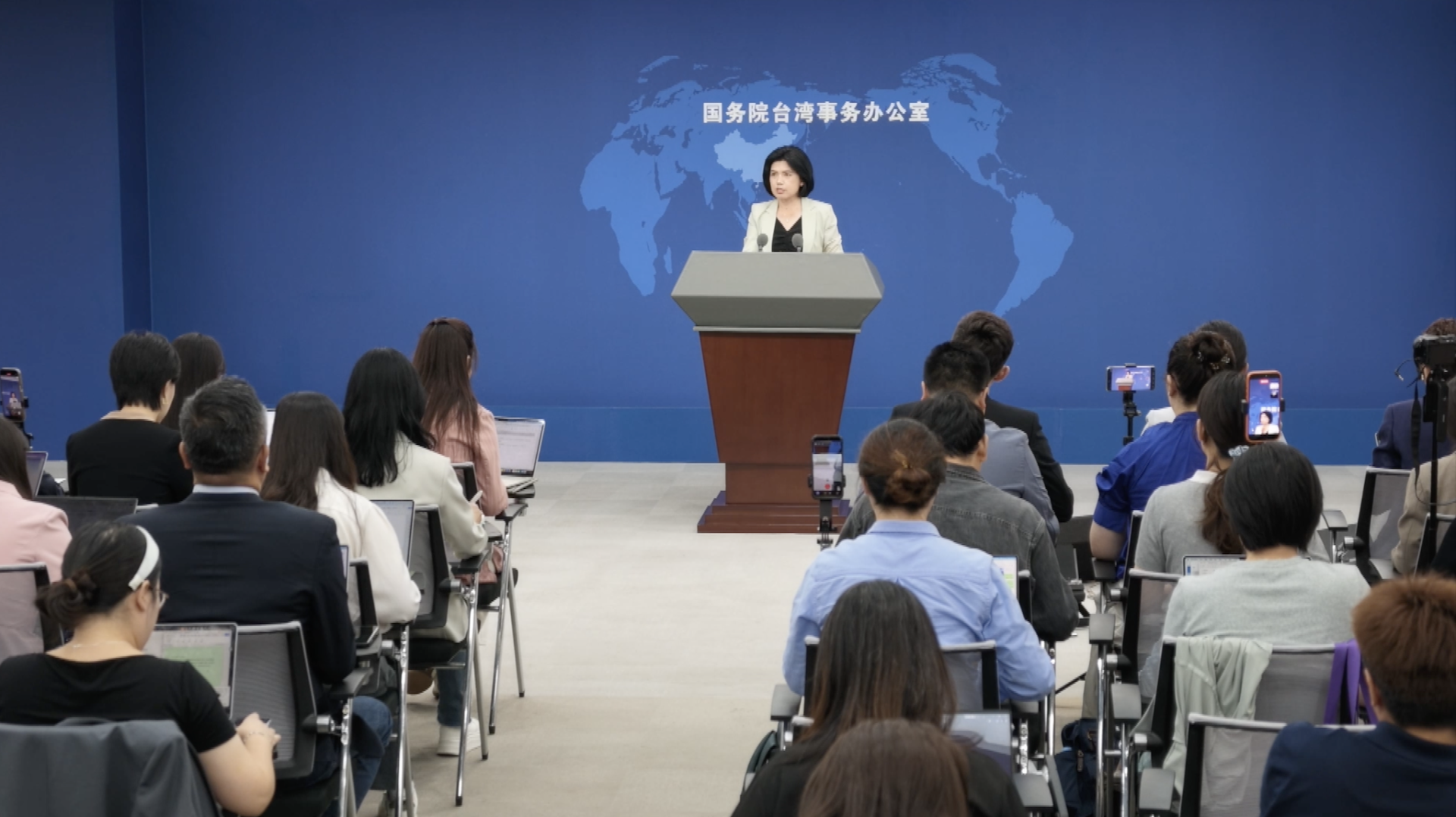
Chinese mainland welcomes Taiwan to Pinglu Canal opportunities
Chinese mainland welcomes Taiwan to Pinglu Canal opportunities

What is happening to UK prices?
UK inflation rose in August, pushed up by higher petrol and diesel prices.