
Most Recent
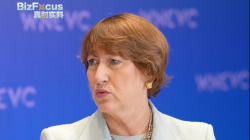
German auto association: Healthy competition helps all sides develop
Europe and China should deepen two-way investment and learn from each other, said Hildegard Mueller, president of the German Association of the Automotive Industry, in an interview with CGTN's Michael Wang.
HK inflation stays moderate in August
Hong Kong’s overall inflation situation remained moderate, with the city’s overall consumer prices rising by 1.7 percent in August year-on-year, the same as in July. The latest figures released by the Census and Statistics Department on Wednesday also showed that the underlying inflation rate – the rate netting out the effects of all government’s one-off relief measures – rose by 1.9 percent year-on-year, also the same as in the previous month. The cost of electricity, gas and water increased the most with a year-on-year rise of 11.5 percent in August, while the city saw a 3.9 percent increase in transport fares and 1.1 percent rise in the price of meals out and takeaway food. A government spokesman said while inflation of fuel-related items remained high, price pressures on other components were broadly in check, keeping overall inflation at a moderate level. “Looking ahead, consumer price inflation will remain under upward pressure, as elevated international oil prices continue to feed through to fuel-related components,” the spokesman said. “The renewed escalation of tensions in the Middle East of late remains a key uncertainty and warrants close monitoring. “Yet, as price pressures on other fronts are expected to remain largely contained, overall inflation should stay moderate.” Edited by Tony Sabine
AI excitement fails to lift HK, China stocks
Asian markets were mixed on Wednesday, with the Hang Seng Index closing one percent down to finish at 24,834 shrugging off an announcement by tech giant Alibaba that it would expand its overseas data centres. The firm, one of the frontrunners in China's AI industry, said the move would target markets across Europe and the Middle East. On the mainland, the benchmark Shanghai Composite Index down 0.39 percent to 3,936 points. The Shenzhen Component Index closed 0.64 percent lower at 13,636 points Alibaba's announcement follows a renewed burst of confidence in artificial intelligence this week, with Anthropic and OpenAI releasing new, cheaper AI models within hours of each other. Anthropic's release comes a few weeks before its expected stock market debut. OpenAI has delayed its IPO plans until next year. Consumer hunger for AI apps buoyed tech stocks in other parts of Asia. Renewed buzz over AI helped South Korean stocks gain 0.9 percent, with Samsung up nearly one percent. The data hardware sector has been buoyed by strong consumer take-up of Meta's Muse agent, which has topped US app download charts in the past two weeks. Analysts are now keen to see how a similar product from Alphabet's Google Labs, known as CC, will fare with consumers. Meanwhile, President Xi Jinping arrives in Washington later on Wednesday amid speculation that a trade truce between China and the United States would be extended, and there could be cooperation over AI. Japanese markets were closed for a holiday, but Nikkei futures were trading at 66,775, about 1,760 points above where the cash Nikkei closed last week. "We expect a strong reopening in Japan tomorrow, with another move lower in crude, calm conditions in rates and Treasuries, and the Nasdaq cash and futures markets printing all-time highs," said Chris Weston, head of research at broker Pepperstone. "Memory stocks have taken the leadership baton, backed by another strong session for semis, which have recorded a sixth consecutive day of gains." Also of note was demand for SoftBank's US$10 billion-plus debt deal which has reportedly drawn more than US$20 billion in indications of interest. That would make it one of the largest junk bond deals ever. (Xinhua/Reuters) Edited by Tony Sabine

UK and US warned to take action on spiralling debt costs by IMF
In an interview with the BBC, Kristalina Georgieva says economic shocks had pushed "debt levels up like a staircase not to heaven".
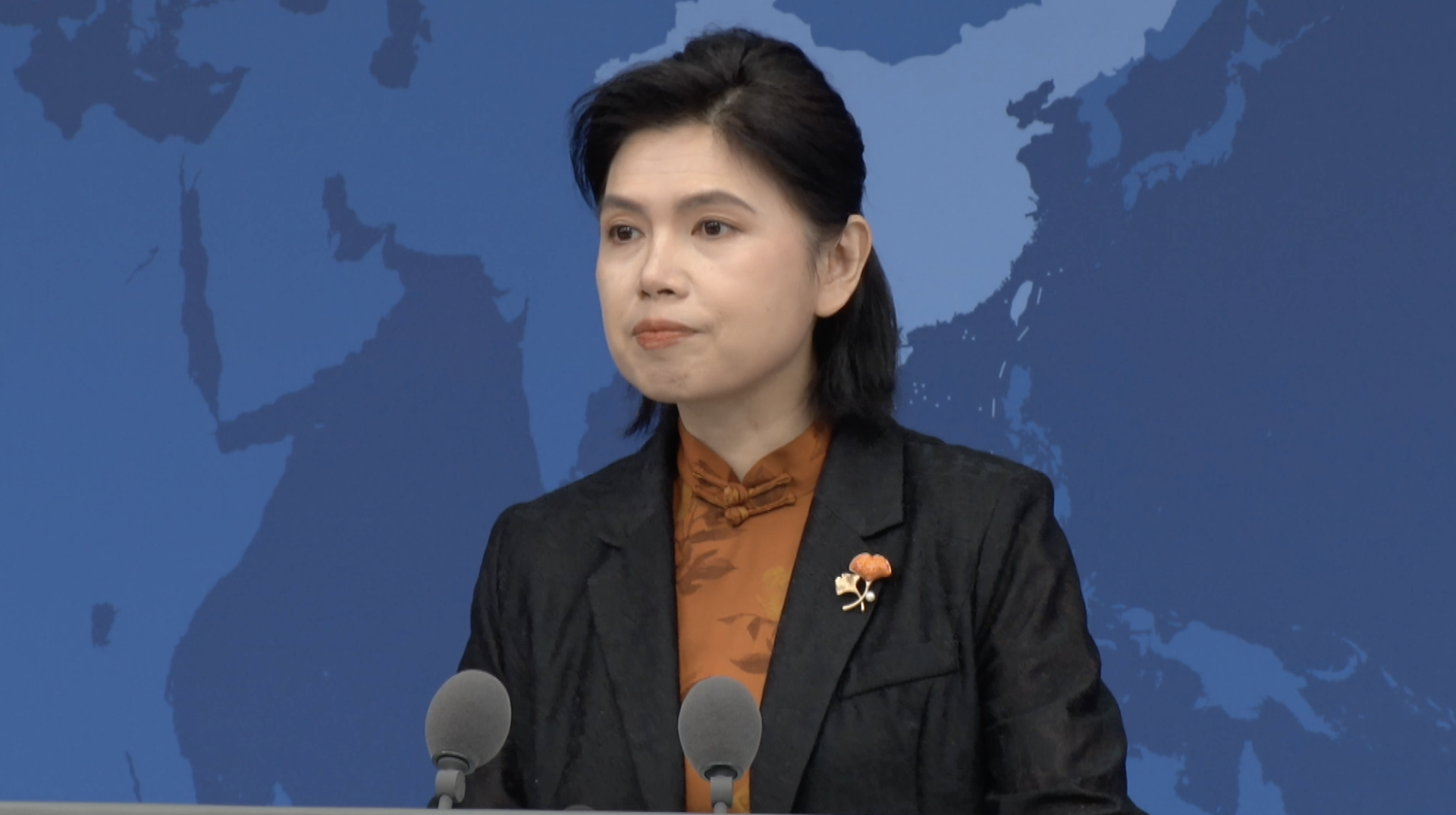
Sales of Taiwan pomelos on Chinese mainland showcase mutual benefits
Sales of Taiwan pomelos on Chinese mainland showcase mutual benefits
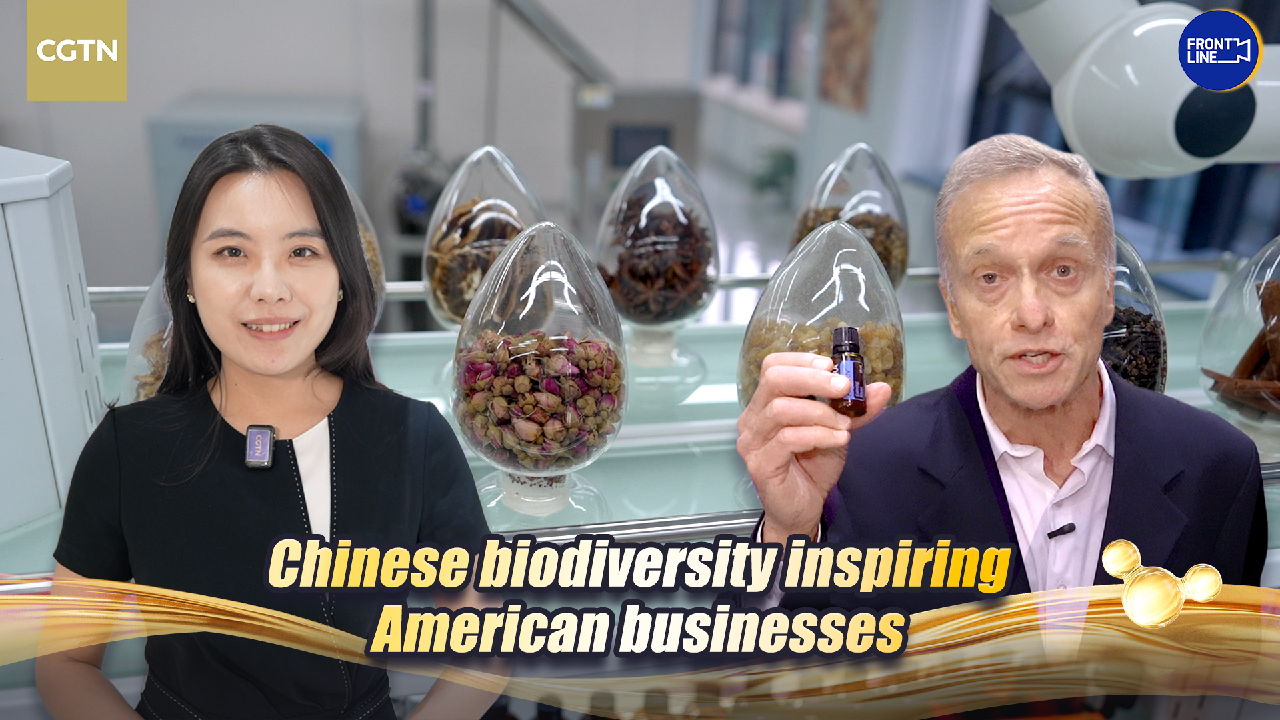
Chinese biodiversity inspiring American businesses
Chinese biodiversity inspiring American businesses

How much do you spend on a birthday present?
Do you show you care through expensive presents? Or do you consider a drink in a pub a worthy birthday gift?

How Unions Are Confronting A.I. Threats in the Workplace
The machinists union shows how workers are negotiating for a say in the ways artificial intelligence is used in their workplaces.
'Dual-circulation strategy offers HK opportunities'
The executive director of the Trade Development Council (TDC) has said Beijing's "dual-circulation strategy" to spur consumer demand and enhance global trade will offer significant opportunities for Hong Kong businesses. Under the country's 15th Five-Year Plan, policymakers have made it clear that the nation strives to transform its growth model into one that is increasingly led by consumption, instead of exports. Centre to this transition is the strategic framework known as the "dual-circulation" model that prioritises spurring domestic demand to allow products to circulate in domestic markets and achieve "internal circulation". Meanwhile, the country will also seek to further open up to global markets and investments to enhance what they call "external circulation". Speaking on RTHK's "Vision 15: Hong Kong's Chapter", Sophia Chong said local companies can seize the chance to tap into the mainland market as more consumers opt for quality products and stop blindly chasing after major global brands. "They're keen to learn more about the stories behind the brands, which will create growth potential for many independent brands or even emerging brands," she said. "Additionally, Hong Kong excels in product safety and adherences to international standards. "This presents a business opportunity for Hong Kong as local companies can leverage on its strengths in product quality and safety assurance to make mainland consumers feel at ease," she said. Noting that the mainland's online market has ranked as the world's largest for 13 years in a row, Chong urged local online retailers to be fully prepared before tapping into the fiercely competitive market, where the total scale has reached 23.8 trillion yuan over the past five years. She added that the TDC's E-Commerce Express programme could help local small and medium-sized enterprises expand their online sales across the border. On enhancing global trade, Chong said that while a rising number of mainland companies are going global, some of them have reported difficulties in aligning with overseas markets' legal and admittance standards. The SAR, she added, can offer professional services to help them navigate issues related to finance, accounting, legal differences, or even infrastructure and property development overseas. A new office, meanwhile, will open in Egypt to expand connections in North African markets. "So if [the mainland companies] can build up connections with Hong Kong's services sector before they expand into the overseas market, it can have a positive impact for them to mitigate risks during their management and implementation phases. "That's why we strongly encourage them to have a solid plan in place before taking actions," she said. First introduced in 2020, the national strategy also aims to reduce the country's trade dependence on the West by bolstering domestic markets. Edited by Aaron Tam

Trump wants AI to be rebranded as super intelligence. Will it work?
Some people close to the president have started to use the term but experts say it is unlikely to catch on.